The stigma and embarrassment attached to collecting in Istanbul
The Museum of InnocenceThe stigma and embarrassment attached to collecting in Istanbul arise from a social distinction between collections presented as public culture and possessions accumulated in private as signs of an obscure personal wound. In Kemal Basmacı’s account, collectors are mocked, distrusted, and sometimes ashamed of one another; his Museum of Innocence attempts to reverse that judgment by making private attachments visible and worthy of attention.
Two kinds of collectors
Kemal divides collectors into the Proud Ones, who welcome public display, and the Bashful Ones, who hide what they have accumulated. In the model he associates with the West, a collection naturally culminates in a museum. An American brochure’s story of a boy who begins with one soda can and gradually sets out to collect them all exemplifies this confident path from individual objects to public exhibition. The Bashful collector, by contrast, may begin with a search for an answer or consolation, or with a compulsion arising from pain, but lives where collecting is not recognized as contributing to knowledge. There the collection points less to useful information than to the collector’s private wound.
Kemal first identifies this embarrassment among Istanbul collectors of film memorabilia in early 1992. He is looking for posters, lobby photographs, and ticket stubs from films he saw in the summer of 1976, intending to display them in the Museum of Innocence. After selling him lobby photographs, Hıfzı Bey expresses sadness at parting with objects dear to him and describes the ridicule collectors face at home. He invites Kemal to see material unavailable to anyone else, including photographs from the unfinished film Black Palace, whose lead, Tahir Tan, died by suicide. Collecting sustains memories and preserves cultural traces, but its practitioners often feel compelled to justify or conceal that work.
Rubbish dens and disappearing collections
In the 1990s, Kemal follows Hıfzı Bey into Istanbul houses that have become notorious as rubbish dens. He finds not only cinema photographs but postcards, tickets, restaurant menus, rusty tins, newspaper pages, branded paper bags, medicine boxes, bottles, celebrity photographs, and images of ordinary Istanbul residents. Their variety gives the objects a documentary value: together they preserve details of everyday life that were not considered worth saving when they were first used. Yet the houses and their contents are treated as causes for ridicule and fear, and the collectors as isolated cranks.
One house in Tarlabaşı contains 42,742 accumulated items. Elsewhere, Kemal encounters a retired meter reader living with his bedridden mother in a room heated by a gas stove; he glimpses familiar old lamps, Vim cans, and toys in the inaccessible parts of the house. The shame he describes is tied not simply to disorder, but to the prospect that objects carrying memories of Istanbul’s former residents will disappear without being gathered, sorted, or framed. A Greek photographer’s fate sharpens that concern: after photographing weddings, engagements, business meetings, and restaurants in Beyoğlu for forty years, he burns his negatives in an apartment furnace because the photographs are no longer wanted and there is no space to keep them.
The danger is not only that collections will be dismissed while their owners live, but that they will be destroyed after their deaths. Hıfzı Bey tells Kemal that a collector’s accumulated belongings may be taken to a vacant lot, burned, or handed to a junk dealer or rubbish collector. In December 1996, Necdet Adısez, who lived in Tophane a short walk from the Keskin Family Home, is crushed beneath piles of paper and old objects. He is not discovered until four months later, when the smell from the house becomes unbearable and firefighters have to enter through the windows because the hoard blocks the door. Newspapers describe the death in a way that deepens public apprehension about collectors. The episode also connects the social history of hoarding to Kemal’s personal story: this is the same Necdet whom Füsun had mentioned at the end of her engagement party, assuming that her acquaintance had died.
Shame, class, and the private museum
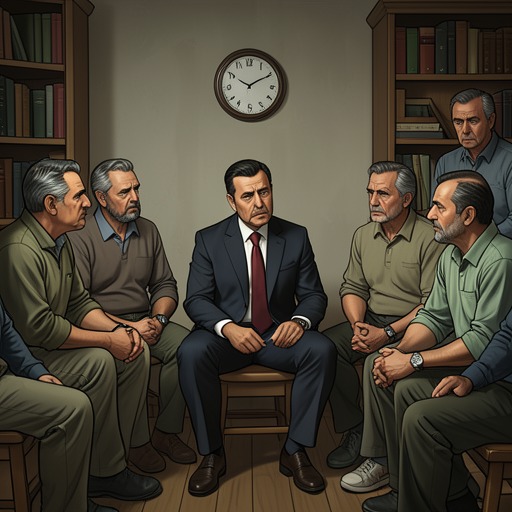
The stigma extends beyond outsiders’ mockery. Kemal observes that Istanbul collectors may be secretly contemptuous of their own obsessions and openly scornful of one another; jealousy can make that scorn harsher. His own collecting is driven by his attachment to Füsun and by the consoling force he finds in objects, so the suspicion directed at collectors also touches his private grief. When he attends a meeting of the newly established Lovers of Collectible Objects Association at Hıfzı Bey’s urging, he feels like an outcast among outcasts. Familiar collectors watch him with silent suspicion, as if he were an interloper. Hıfzı Bey suggests that seeing a rich man use objects to soothe a troubled heart unsettles collectors who had imagined that wealth would have cured their own supposed affliction. In time, as Kemal’s love for Füsun becomes common knowledge, members help him and share their own histories of bringing hidden collections into public view.
Kemal’s wealth offers a possible defense against this judgment, but it does not erase the emotional basis of collecting. When the Keskin Family Home is being prepared as a museum, the project is scornfully described as a private museum of the European kind, with the added observation that Kemal is rich. He hopes that the association with wealth and Western museum practice will make others see him not as someone driven by an unspoken wound but as a collector celebrating his possessions. The strategy exposes a tension in his undertaking: the collection is personal and consolatory, yet public legitimacy appears easier to claim when collecting can be framed as the cultivated privilege of a wealthy man.
Turning concealed attachment into public meaning
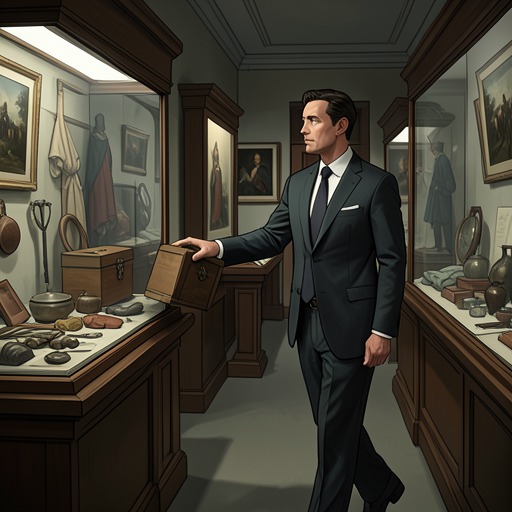
The museum gives Kemal a means to alter the status of what collectors have been taught to hide. He argues that when objects associated with shame are displayed in a museum, they can become possessions in which people take pride. His proposal is not simply to exhibit his own collection: it is to present the life he shared with Füsun through its material traces, while giving those traces the dignity and interpretive attention usually denied to everyday things.
That ambition shapes the museum’s design and its expectations of visitors. Kemal wants the whole collection to be visible from wherever a visitor stands, so that the objects and the story can be apprehended together and the usual sense of time can fall away. He asks for a map at the end of the novel and a ticket in each copy, allowing readers to walk Istanbul’s streets and enter the museum free on their first visit. He also insists that guards should explain the history of the collection and the meanings attached to Füsun’s possessions with dignity. Their task, in his conception, is not merely to protect objects or silence visitors, but to foster humility and reverence; kissing couples are to be left undisturbed.
The project culminates in a broader claim about what museums should show. Kemal criticizes crowded displays and imitations of Western art as inadequate substitutes for representing Turkish lives. The Museum of Innocence, by contrast, is intended to make ordinary experience visible through clothes, clocks, salt shakers, menus, photographs, and other shared or collected objects. Its planned intimacy and limit of fifty visitors at a time answer the fear that crowds can overwhelm or estrange the things on display. By turning a private collection into a carefully interpreted public space, Kemal contests the idea that collecting is only a disreputable mania. The museum does not remove the grief that gave his collection its force; it makes that attachment legible, and offers the once-hidden collector a public role as its witness and interpreter.